Spring Lawn Recovery: Bringing Your Alberta Lawn Back to Life After Winter
🤖 Quick Summary
Alberta's harsh winters cause significant lawn stress including snow mold, ice damage, and desiccation. Spring recovery requires systematic damage assessment, targeted repairs including overseeding damaged areas, soil aeration, balanced fertilization, and corrective pH adjustment. Hydroseeding damaged zones provides faster recovery than traditional methods, with full restoration achievable within 6-8 weeks when addressed early in spring.
📑 Table of Contents
Spring Lawn Recovery: Bringing Your Alberta Lawn Back to Life After Winter
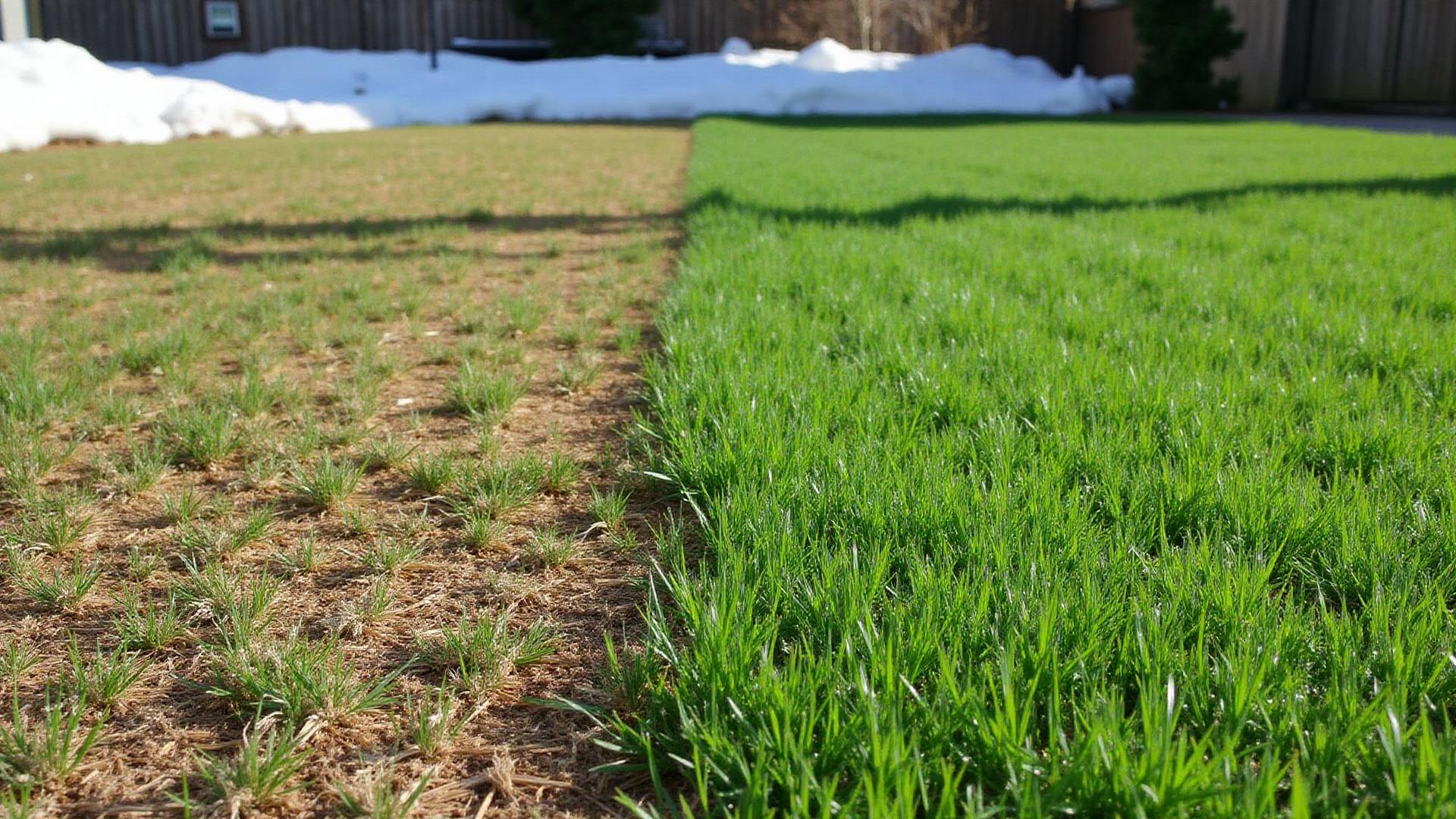
Alberta's long, harsh winters test the resilience of even the healthiest lawns. As snow melts and reveals the damage underneath, many homeowners face a disheartening sight: patches of dead grass, ice damage, snow mold, and various forms of winter injury. The good news is that with systematic assessment and targeted recovery techniques, most lawns can bounce back to vibrant health by early summer.
Understanding Winter Lawn Damage
Before implementing recovery strategies, understanding what went wrong helps prevent recurrence and guides repair decisions.
Snow Mold
Snow mold appears as circular patches of matted, discolored grass ranging from pink to gray. These fungal diseases thrive under prolonged snow cover, particularly when snow falls on unfrozen ground or when heavy snow sits on grass that wasn't mowed short enough in fall. Pink snow mold (Microdochium nivale) typically affects just the grass blades, while gray snow mold (Typhula incarnata) can damage crowns and roots, causing more severe injury.
Ice Damage
Ice sheets forming on lawns during freeze-thaw cycles suffocate grass by preventing oxygen exchange. This is particularly problematic in low-lying areas where water collects and freezes. Extended ice coverage leads to crown death and fungal issues. Alberta's chinook winds in southern regions can exacerbate this through repeated freezing and thawing.
Desiccation and Winter Burn
Alberta's dry winter air combined with harsh winds literally dries out grass plants, particularly in exposed areas. Evergreen grass varieties like some fescues and Kentucky bluegrass maintain some photosynthesis during mild winter periods, requiring moisture that isn't available when soil is frozen. This leads to browning and death of exposed blades and, in severe cases, crown damage.
Spring Assessment Protocol
Systematic assessment prevents wasted effort on areas that will recover naturally while identifying zones requiring intervention.
Early Inspection
As soon as snow melts, walk your entire property noting areas of concern. Look for matted grass (snow mold indicator), uniformly brown areas (possible ice damage), patches with different colors or textures, and any areas where grass pulls up easily (crown death indicator). Take photos for documentation and comparison as recovery progresses.
The Tug Test
Gently tug grass in questionable areas. Healthy grass resists pulling while dead grass releases easily from soil. Areas where grass pulls up readily will require overseeding or hydroseeding. This simple test provides immediate feedback about root viability.
Soil Evaluation
Check soil condition in damaged areas. Compacted, waterlogged, or extremely dry soil requires correction before seeding efforts will succeed. Use a soil probe or simple screwdriver test – the tool should penetrate 4-6 inches with moderate pressure in healthy soil.
Recovery Strategies by Damage Type
Different damage types require specific approaches for optimal recovery.
Snow Mold Treatment
Rake affected areas vigorously to remove matted grass and improve air circulation. Light fertilization encourages recovery of grass that's merely damaged rather than dead. Most snow mold recovers without reseeding if addressed early. However, severe cases showing crown death require overseeding after raking and improving drainage to prevent recurrence.
Bare Patch Repair
Areas with complete grass loss need prompt reseeding. For small patches, traditional overseeding with quality grass seed suited to Alberta conditions works well. Compare establishment methods for the actual site, specification, full costs and care responsibilities; no universal best method or usable date is established.
Compaction Relief
Winter traffic, snow equipment, and freeze-thaw cycles compact soil significantly. Core aeration in spring relieves compaction, improves drainage, and enhances root development. This is particularly important before overseeding as it creates pockets where seeds can lodge and germinate effectively.
Hydroseeding for Spring Recovery
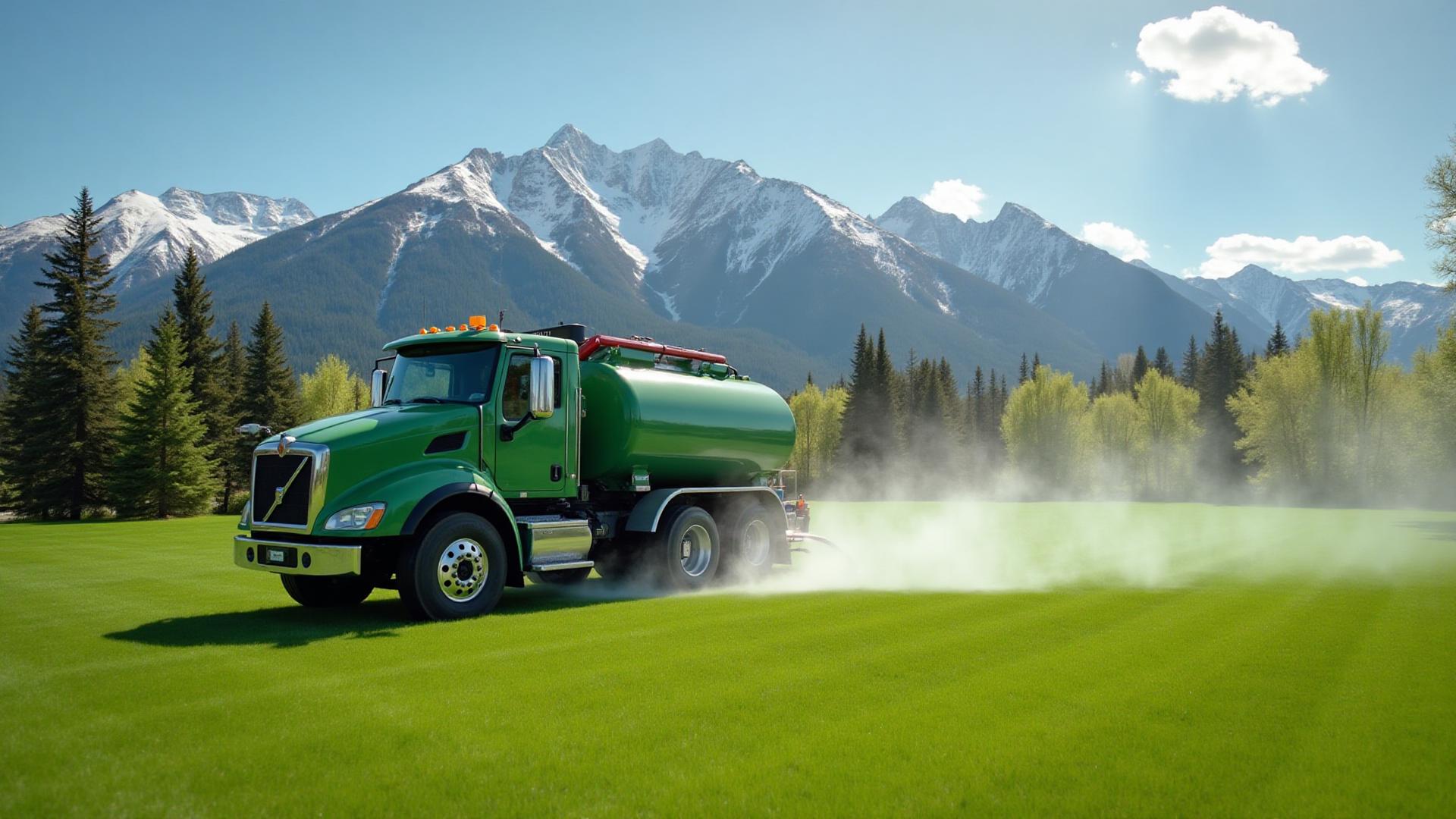
When winter damage is extensive, hydroseeding provides the most efficient path to full lawn restoration.
Advantages Over Traditional Seeding
Hydroseeding damaged areas integrates seamlessly with existing healthy turf. The mulch matrix maintains consistent moisture, critical during Alberta's often-dry springs. Faster germination (7-10 days vs. 14-21 days for broadcast seed) means quicker coverage and reduced erosion on bare areas. The bonding agents in professional hydroseeding formulations prevent seed loss to wind and water, common problems with spring broadcast seeding in Alberta's variable weather.
Application Process
Damaged areas are first prepared through power raking to remove dead material and light scarification to roughen the soil surface. A custom seed blend matching your existing grass is selected – this is crucial for aesthetic integration. The hydroseeding slurry is applied evenly, with special attention to blending edges with existing turf for seamless integration.
Post-Application Care
Newly hydroseeded areas require consistent moisture for 14-21 days. Follow current local watering permissions, actual soil moisture and the seed or material instructions; confirm an appropriate frequency and quantity with the responsible provider. Existing healthy turf around repaired areas may need less frequent watering, creating a management challenge. Consider temporary targeted watering using sprinklers directed specifically at repaired zones while maintaining normal irrigation for established areas.
Fertilization for Spring Recovery
Appropriate fertilization provides nutrients stressed grass needs for recovery without promoting excessive growth that further stresses recovering plants.
Timing and Application
Apply spring fertilizer once grass shows active green growth, typically late April to early May in most of Alberta. Earlier application wastes nutrients that cool-season grass can't yet use. Confirm the actual product and intended application with the responsible qualified adviser; follow its directions and restrictions rather than this overview as a treatment prescription.
Avoid Over-Fertilization
Damaged lawns are stressed and more sensitive to fertilizer burn. Confirm permitted timing and any justified material rate using actual product directions, site evidence and qualified advice. Confirm permitted timing and any justified material rate using actual product directions, site evidence and qualified advice.
Watering Strategy
Proper watering accelerates recovery while avoiding problems associated with overwatering.
Spring Moisture Management
Early spring often provides adequate moisture through snowmelt and rainfall. Monitor soil moisture rather than following a calendar schedule. Soil should be moist to 4-6 inch depth but not waterlogged. Overly wet conditions promote disease and prevent root oxygen uptake.
Transition to Summer Watering
As spring progresses and temperatures rise, transition to deeper, less frequent watering that encourages deep root growth. Follow current local watering permissions, actual soil moisture and the seed or material instructions; confirm an appropriate frequency and quantity with the responsible provider.
Addressing Underlying Issues
Spring recovery efforts fail if underlying problems persist.
Drainage Improvements
Areas showing ice damage or prolonged water standing need drainage correction. This might involve regrading, installing drainage channels, or amending soil with sand or organic matter to improve percolation. Addressing drainage before reseeding prevents recurring problems.
Shade Management
Winter damage is often worse in shaded areas where grass is already stressed from low light. Spring tree trimming to increase light penetration, or transition to shade-tolerant grass species in problem areas, improves long-term lawn health.
pH Correction
Alberta soils tend toward alkaline, which is exacerbated by road salt and certain fertilizers. Spring soil testing reveals pH issues that can be corrected with sulfur (to lower pH) or lime (to raise pH if needed) applications integrated with recovery efforts.
Timeline for Recovery
Setting realistic expectations prevents disappointment and guides management decisions.
Weeks 1-2 Post-Snowmelt
Assessment phase. Rake and clean up winter debris. Apply first light fertilization if grass shows green growth. Plan seeding strategy for damaged areas.
Weeks 3-5
Active recovery phase. Complete overseeding or hydroseeding of damaged zones. Implement core aeration if needed. Begin consistent watering program for seeded areas. Healthy established turf begins vigorous growth.
Weeks 6-10
Integration phase. Newly seeded areas show significant coverage. First mowing of repaired areas (once grass reaches 3-4 inches). Recovered areas begin blending with established turf. Second light fertilization if needed.
Week 12 and Beyond
Maintenance phase. Repaired areas fully integrated with existing lawn. Transition to normal seasonal maintenance program. Evaluate success and note areas needing additional attention next season.
Preventing Future Winter Damage
Spring recovery is easier when winter damage is minimized.
Fall Preparation
Proper fall lawn care significantly reduces spring recovery needs. This includes final mowing at appropriate height (2-2.5 inches), fall fertilization for root growth, addressing drainage issues before winter, and ensuring good lawn health entering winter dormancy.
Snow Management
Minimize traffic on snow-covered lawns. Avoid piling snow from driveways onto grass areas where possible. Confirm the actual product and intended application with the responsible qualified adviser; follow its directions and restrictions rather than this overview as a treatment prescription.
Winter Monitoring
During chinook periods or extended thaws, check for ice accumulation and break it up if possible, particularly in known problem areas. This simple action prevents suffocation damage.
Conclusion
Spring lawn recovery in Alberta requires understanding winter damage mechanisms, systematic assessment, appropriate treatment strategies, and patience. While the sight of winter-damaged grass can be discouraging, most lawns respond remarkably well to proper care. Compare establishment methods for the actual site, specification, full costs and care responsibilities; no universal best method or usable date is established. By addressing underlying issues during recovery and implementing preventive measures for next winter, you ensure your lawn emerges from future winters healthier and more resilient. The effort invested in spring recovery pays dividends throughout the growing season with a lush, uniform lawn that enhances your property and provides enjoyment all summer long.
❓ Frequently Asked Questions
What causes lawn damage during Alberta winters?
Primary winter damage sources include snow mold (pink and gray varieties), ice sheet suffocation, salt damage from roadways, desiccation from dry winter winds, vole tunneling under snow cover, and freeze-thaw cycles that heave and damage grass crowns. Damage severity depends on snow cover duration, temperature extremes, and fall lawn health.
When should I start spring lawn recovery in Alberta?
Begin assessment as soon as snow melts completely, typically late March to early April. Start active recovery (raking, fertilizing) when soil becomes workable and grass begins showing green growth, usually mid-to-late April in southern Alberta and early May in northern regions. Avoid working on frozen or waterlogged soil.
Should I overseed or hydroseed damaged areas?
For small patches under 100 sq ft, traditional overseeding works well. For larger damaged areas or multiple problem zones, hydroseeding provides superior results with faster establishment, better seed-to-soil contact, and consistent coverage. Hydroseeding damaged zones integrates seamlessly with existing healthy turf.
How long does spring lawn recovery take?
Minor damage (thin areas, light discoloration) recovers in 3-4 weeks with proper fertilization and watering. Moderate damage with bare patches requires 6-8 weeks including overseeding establishment. Severe damage requiring extensive hydroseeding may take 8-12 weeks for full integration with existing turf.