Spring Hydroseeding Guide for Alberta: Perfect Timing for Lush Lawns
🤖 Quick Summary
Spring is the optimal time for hydroseeding in Alberta. This comprehensive guide covers ideal timing (late April to early June when soil reaches 10-15°C), soil preparation techniques, custom seed blends featuring Kentucky bluegrass and fescue varieties, application methods, and critical post-care protocols. Key takeaway: Proper preparation and timing combined with Alberta-specific seed selection ensures establishment success rates above 90%.
📑 Table of Contents
Historical illustration: the following source amounts are unverified historical examples, not current provider quotes.
Spring Hydroseeding Guide for Alberta: Perfect Timing for Lush Lawns
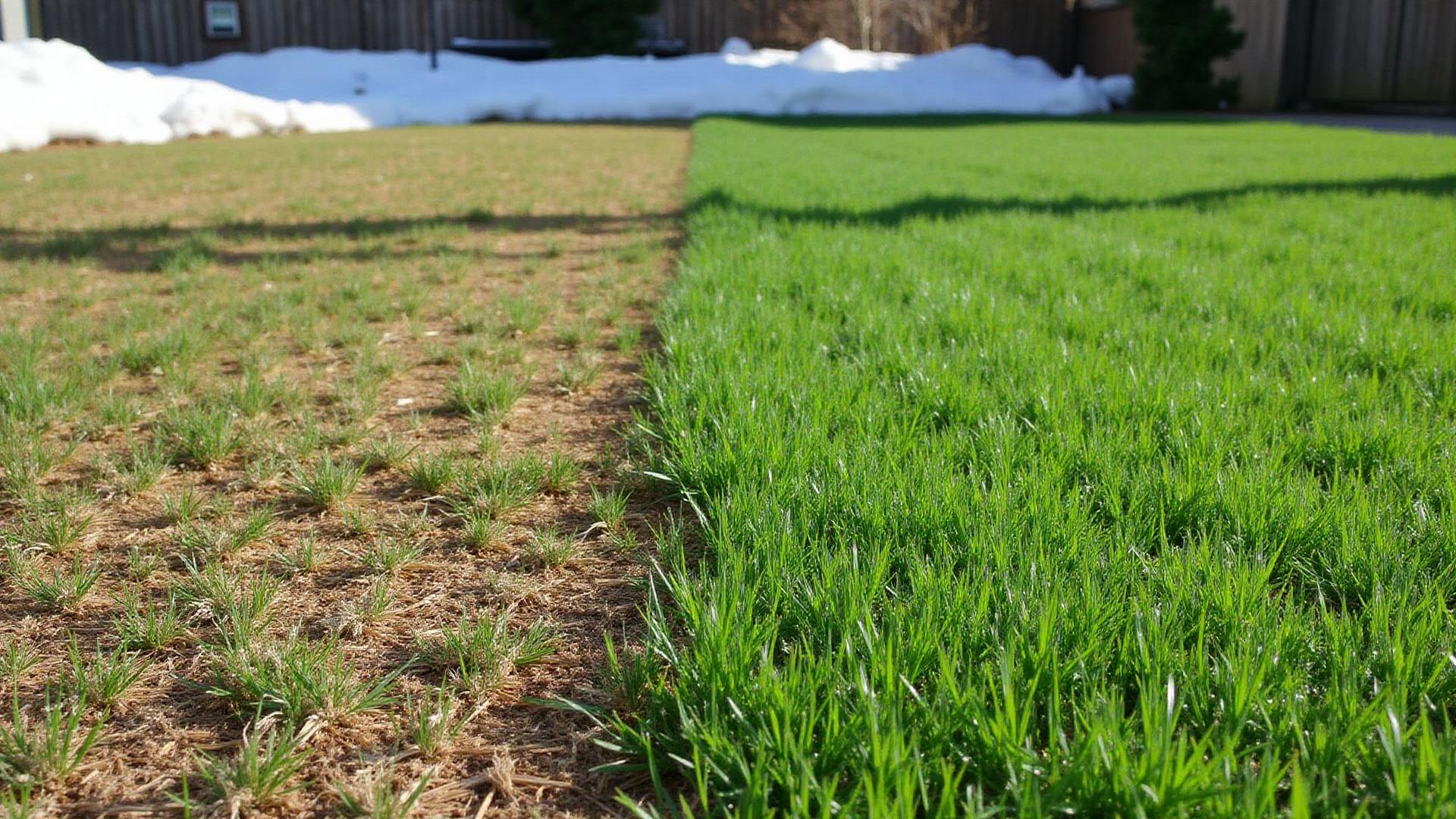
Spring represents the golden opportunity for hydroseeding in Alberta. As the snow melts and soil temperatures begin to rise, property owners across the province prepare for one of the most critical landscaping decisions of the year. Understanding the nuances of spring hydroseeding can mean the difference between a mediocre lawn and a lush, vibrant landscape that becomes the envy of your neighborhood.
Why Spring is Ideal for Hydroseeding in Alberta
Alberta's unique climate creates specific conditions that make spring hydroseeding particularly effective. The combination of warming soil temperatures, increased rainfall, and longer daylight hours creates an environment where grass seed can thrive. Unlike traditional seeding methods, hydroseeding takes full advantage of these conditions by creating an optimal microenvironment for seed germination.
Temperature Considerations
The soil temperature is perhaps the most critical factor in successful hydroseeding. In Alberta, soil temperatures typically reach the optimal range of 10-15°C in late April to early May, depending on your specific location. Calgary and southern Alberta regions tend to warm up slightly earlier than Edmonton and northern areas. This temperature range is crucial because it triggers the biological processes necessary for seed germination without exposing tender seedlings to late-season frost damage.
Moisture Availability
Spring in Alberta typically brings consistent moisture through rainfall and snowmelt. This natural irrigation reduces the need for supplemental watering during the critical germination period. The hydroseeding mulch matrix retains this moisture efficiently, creating a consistently humid environment that grass seeds need to break dormancy and establish roots.
Preparing Your Property for Spring Hydroseeding
Success with spring hydroseeding begins long before the first spray of seed and mulch hits your soil. Proper preparation ensures that your investment yields maximum returns and creates a lawn that will thrive for years to come.
Soil Assessment and Testing
Before any hydroseeding project, professional soil testing provides invaluable insights. Alberta soils vary dramatically from region to region – the clay-heavy soils of the Peace Region differ significantly from the sandy loam found in parts of southern Alberta. A comprehensive soil test reveals pH levels, nutrient deficiencies, and organic matter content. This information allows for targeted amendments that create optimal growing conditions for your new lawn.
Grading and Drainage
Proper grading is fundamental to long-term lawn health. Your property should slope away from structures at a minimum grade of 2-3%. This prevents water pooling and the foundation issues that come with it. Additionally, identifying and addressing low spots prevents the formation of soggy areas where grass struggles to establish and maintain health throughout the growing season.
Debris Removal and Soil Preparation
A clean slate produces the best results. Remove all construction debris, large rocks, roots, and existing vegetation. The soil surface should be loose to a depth of 4-6 inches, allowing new roots to penetrate easily. However, avoid over-tilling, which can destroy soil structure and create problems with compaction and crusting.
The Hydroseeding Process Explained
Understanding what happens during the hydroseeding process helps property owners appreciate the technology and science behind this effective planting method.
Custom Seed Blends
Professional hydroseeding companies create custom seed blends tailored to Alberta's climate zones and your specific property conditions. A typical Alberta blend might include Kentucky bluegrass for its cold tolerance and recuperative abilities, perennial ryegrass for quick establishment and wear tolerance, and fine fescues for shade tolerance and drought resistance. The specific ratios depend on sun exposure, expected traffic, and maintenance preferences.
The Slurry Mixture
The hydroseeding slurry is a carefully engineered mixture that goes far beyond simply suspending seeds in water. It includes wood fiber mulch that retains moisture and moderates soil temperature, tackifiers that bond the mixture to the soil surface and prevent erosion, fertilizer to provide nutrients during the critical establishment period, and lime or other pH adjusters when needed for Alberta's often alkaline soils.
Application Technique
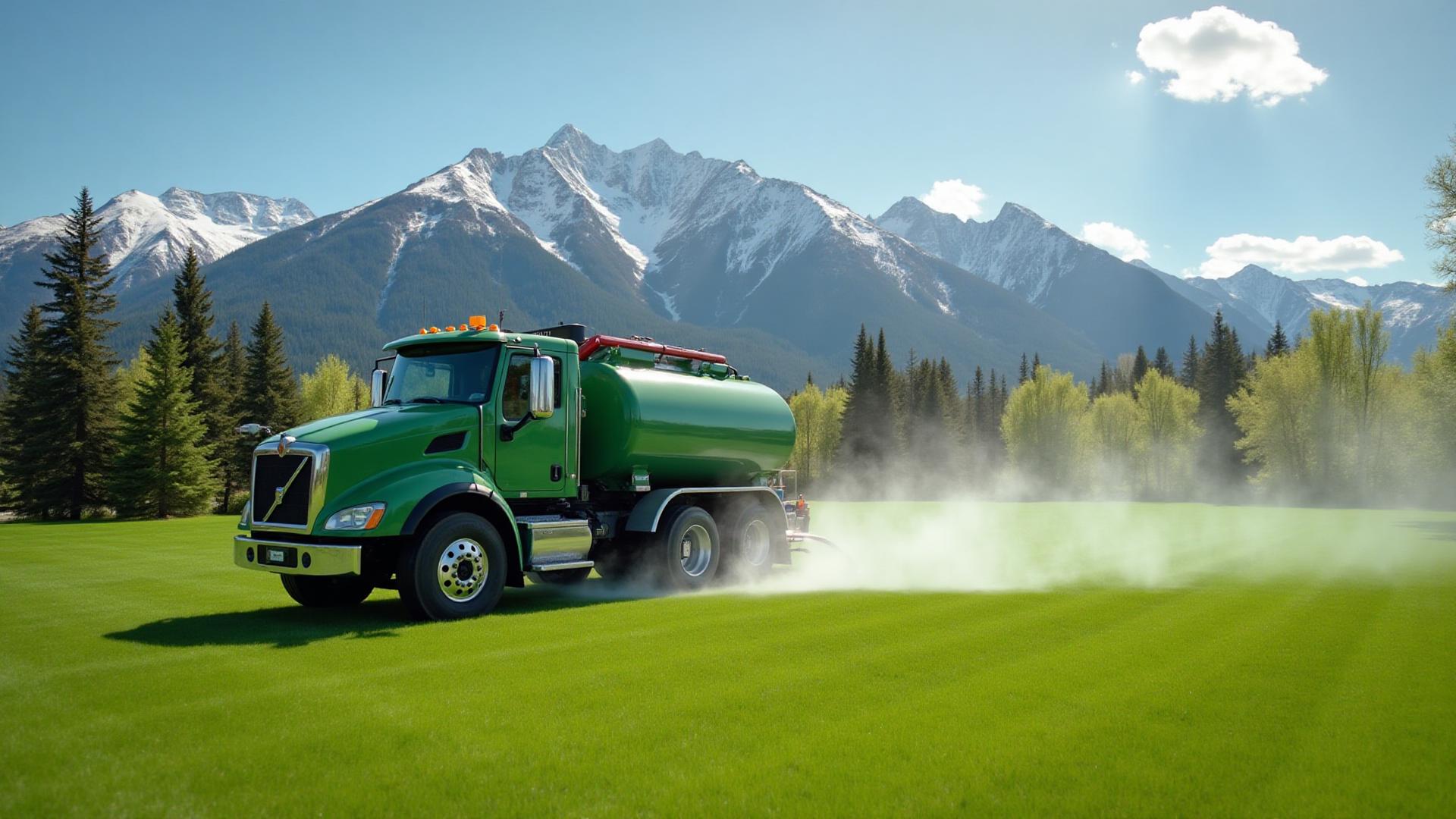
Professional applicators ensure even coverage across your property, adjusting spray patterns for slopes, contours, and obstacles. The typical application rate in Alberta ranges from 40-80 pounds of seed per acre, depending on the seed blend and desired establishment speed. The mulch layer should be approximately 1/4 to 1/2 inch thick, providing coverage without smothering the developing grass.
Post-Application Care
The first 30 days after hydroseeding are critical. Your actions during this period largely determine whether you'll achieve the lush lawn you envision or face disappointing results.
Watering Protocol
The hydroseeding mulch retains moisture remarkably well, but it's not magic. During the germination period (typically 7-14 days), keep the surface consistently moist. Follow current local watering permissions, actual soil moisture and the seed or material instructions; confirm an appropriate frequency and quantity with the responsible provider. As seedlings emerge and develop, gradually reduce watering frequency while increasing duration to encourage deep root growth.
Traffic Restrictions
Patience during establishment pays enormous dividends. Avoid walking on newly hydroseeded areas until grass reaches a height of 3 inches. This typically takes 3-4 weeks under ideal spring conditions. Premature traffic can dislodge seeds, compact soil, and create thin spots that require remediation.
First Mowing
The first mowing represents a milestone in your new lawn's development. Wait until grass reaches 3.5-4 inches before mowing, then cut to a height of 3 inches. Never remove more than one-third of the grass blade length in a single mowing. Ensure your mower blades are sharp to avoid tearing tender grass plants.
Common Challenges and Solutions
Even with perfect conditions and careful attention, challenges can arise during spring hydroseeding in Alberta.
Late Spring Frosts
Alberta's unpredictable spring weather sometimes brings unexpected late-season frosts. While established grass is highly frost-tolerant, newly germinated seedlings are vulnerable. The hydroseeding mulch provides some protection, but covering sensitive areas with lightweight frost blankets during warning periods offers additional insurance.
Bird and Animal Damage
Birds find freshly applied hydroseed attractive, both for the seeds and the insects attracted to the moist environment. While some seed loss is inevitable and accounted for in application rates, excessive bird activity can create thin areas. Bird netting or visual deterrents may be necessary in some situations.
Erosion on Slopes
While hydroseeding excels at erosion control, extremely steep slopes or heavy rainfall can sometimes compromise results. Erosion control blankets installed over hydroseed provide additional stability while allowing grass to grow through. These biodegradable blankets are particularly valuable on slopes exceeding 3:1.
Regional Considerations Across Alberta
Alberta's diverse geography means that hydroseeding strategies must adapt to local conditions.
Southern Alberta
The Chinook region benefits from earlier spring warming and occasional winter warm spells. However, this area also faces higher winds and lower annual precipitation. Drought-tolerant grass species and attention to water-wise establishment practices are essential. Consider starting hydroseeding projects in early to mid-April in the Calgary and Lethbridge regions.
Central Alberta
The Red Deer and surrounding area represents a transition zone with moderate precipitation and temperature extremes. This region offers flexibility in hydroseeding timing, with successful projects running from late April through May. The clay-heavy soils common in parts of central Alberta benefit from organic matter additions before hydroseeding.
Northern Alberta
Edmonton and northern regions face shorter growing seasons and later springs. Hydroseeding projects should typically wait until early to mid-May when soil temperatures consistently remain above 10°C. The extended summer daylight hours in northern Alberta compensate for the later start, producing excellent results when timing is right.
Cost-Benefit Analysis
Understanding the economics of spring hydroseeding helps property owners make informed decisions.
Initial Investment
Spring hydroseeding typically costs $0.15-$0.35 per square foot for residential properties, with commercial and large-scale projects often receiving volume discounts. This investment includes professional site preparation, premium seed blends, application, and initial fertilization. While higher than broadcasting seed, the superior germination rates and faster establishment offset the initial cost difference.
Long-Term Value
A professionally hydroseeded lawn establishes uniformly, reducing the need for overseeding and renovation in subsequent years. The robust root development achieved through proper hydroseeding techniques creates a lawn more resistant to drought, disease, and wear. Over a 10-year timeframe, the total cost of ownership for a hydroseeded lawn typically proves lower than traditional seeding methods due to reduced maintenance and remediation requirements.
Environmental Benefits
Confirm designed immediate erosion and sediment controls separately; vegetation establishment does not guarantee immediate slope stability or replace required controls. The quickly establishing grass canopy reduces dust, moderates soil temperature, and begins improving soil structure within weeks of application. These environmental benefits have real economic value in terms of reduced erosion damage and improved property aesthetics.
Conclusion
Spring hydroseeding in Alberta offers property owners an efficient, effective method for establishing beautiful lawns and controlling erosion. By understanding the optimal timing, preparing your property properly, and following through with appropriate post-application care, you can achieve results that traditional seeding methods struggle to match. The combination of Alberta's spring conditions and modern hydroseeding technology creates an ideal scenario for lawn establishment that will provide beauty and functionality for years to come.
Whether you're a homeowner looking to finally achieve that perfect lawn, a builder seeking to complete projects efficiently, or a commercial property manager needing reliable erosion control, spring hydroseeding deserves serious consideration. The investment in professional hydroseeding services pays dividends through superior results, faster establishment, and reduced long-term maintenance requirements. As spring approaches each year, remember that this seasonal window represents your best opportunity to transform bare or damaged soil into the lush green landscape you envision.
❓ Frequently Asked Questions
When is the best time to hydroseed in Alberta?
The optimal time for hydroseeding in Alberta is late April through early June, when soil temperatures consistently reach 10-15°C and frost risk has passed. Southern Alberta (Calgary region) typically warms earlier than northern areas (Edmonton, Grande Prairie). This timing gives grass 8-10 weeks to establish before summer heat stress.
How long does hydroseeded grass take to grow in Alberta?
Initial germination occurs within 7-14 days under ideal spring conditions. Visible grass coverage appears within 2-3 weeks. Full establishment with thick, healthy turf takes 6-8 weeks. First mowing typically occurs at week 3-4.
What grass species work best for Alberta hydroseeding?
The best Alberta hydroseeding blends include Kentucky bluegrass (cold tolerance, self-repair), perennial ryegrass (quick germination, traffic tolerance), and fine fescues (shade/drought tolerance). Blends are customized based on sun exposure, traffic levels, and maintenance preferences.
How much does spring hydroseeding cost in Alberta?
Historical illustration: the following source amounts are unverified historical examples, not current provider quotes. Costs typically range from $0.15-$0.35 per square foot depending on site conditions, seed mix quality, property size, and preparation requirements. A 5,000 sq ft residential lawn averages $750-$1,750. Larger commercial properties benefit from economies of scale.
Do I need to water after hydroseeding?
Yes, consistent moisture is critical. Follow current local watering permissions, actual soil moisture and the seed or material instructions; confirm an appropriate frequency and quantity with the responsible provider. As grass emerges, transition to deeper, less frequent watering to encourage root development. The mulch matrix retains moisture well but supplemental watering ensures success.