Native Grass Species for Alberta Landscapes: Sustainable Hydroseeding Options
🤖 Quick Summary
Relative cost, water demand and performance require evidence for the same actual scope, species, site and care; no universal percentage improvement is established by this page. Ideal for naturalized areas, prairie restoration, acreages, and water-wise commercial landscapes. Establishment takes longer (8-10 weeks vs. 6-8 weeks) but provides exceptional long-term performance in Alberta's challenging climate.
📑 Table of Contents
Historical illustration: the following source amounts are unverified historical examples, not current provider quotes.
Native Grass Species for Alberta Landscapes: Sustainable Hydroseeding Options
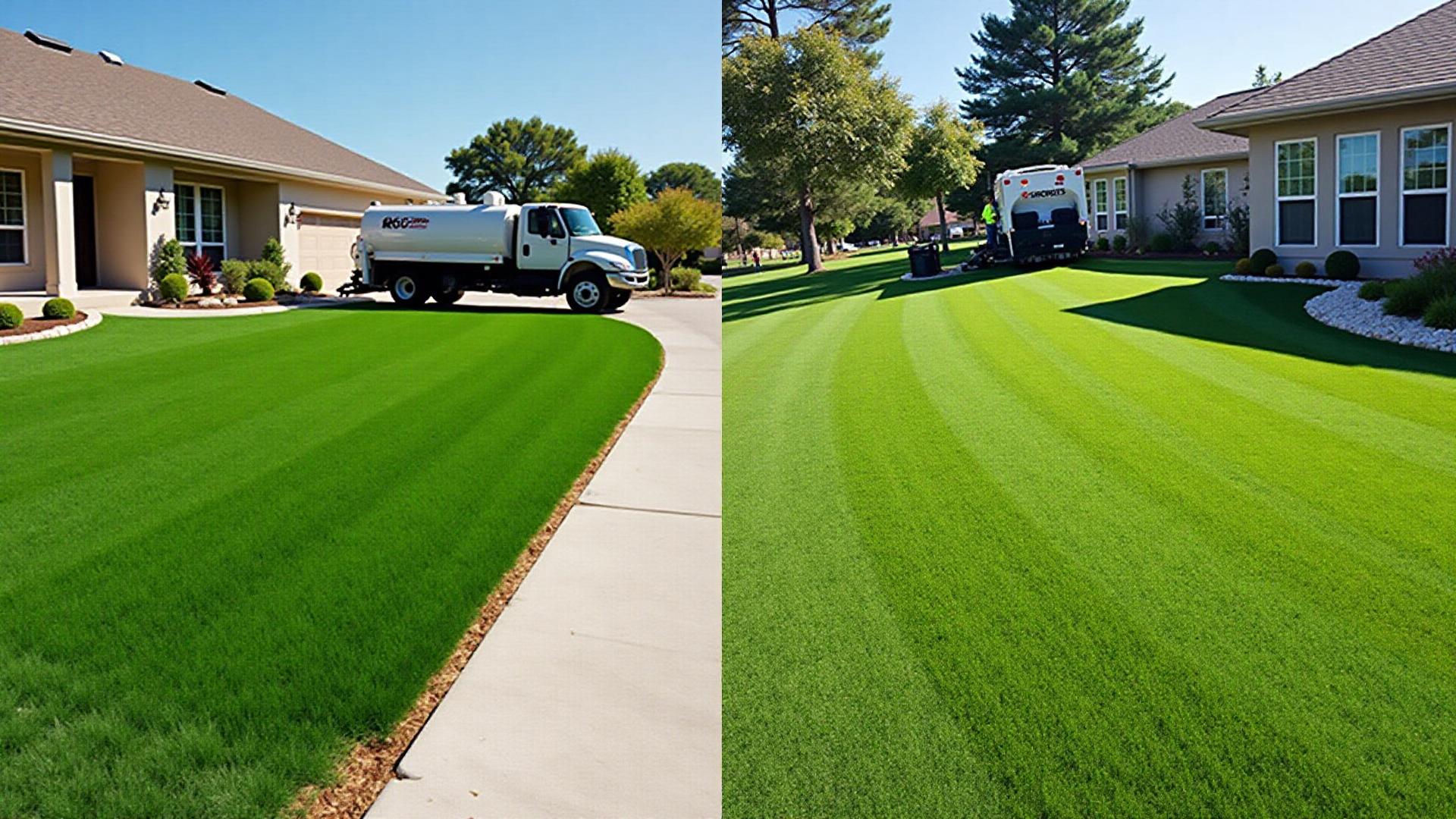
The movement toward sustainable, water-wise landscaping has renewed interest in native grass species across Alberta. These grasses evolved over millennia to thrive in Alberta's challenging climate, developing characteristics that make them exceptionally well-suited for modern landscape challenges including water scarcity, maintenance reduction, and wildlife habitat enhancement. Hydroseeding with native species offers property owners a way to establish beautiful, functional landscapes that work with nature rather than against it.
Understanding Native Grass Advantages
Native grasses offer benefits that traditional cultivated varieties struggle to match.
Water Efficiency
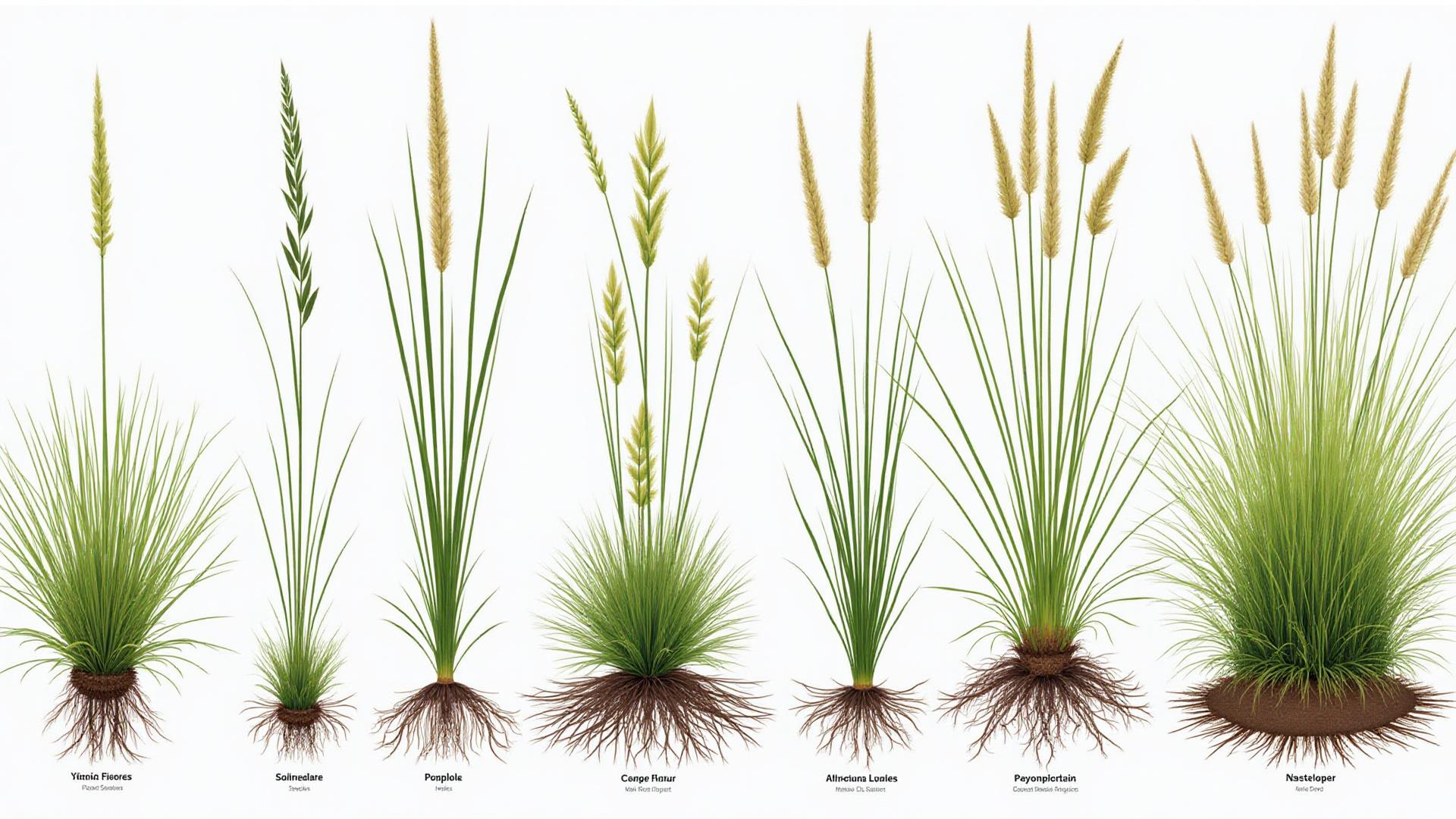
Relative cost, water demand and performance require evidence for the same actual scope, species, site and care; no universal percentage improvement is established by this page. Their extensive root systems, often reaching 6-10 feet deep compared to 4-6 inches for traditional lawn grasses, access moisture unavailable to shallow-rooted species. During drought years, native grass landscapes remain green and functional while traditional lawns struggle or go dormant.
Reduced Maintenance Requirements
Native species evolved without fertilization, frequent mowing, or pest control. Most native grasses thrive in Alberta's naturally nutrient-limited soils, eliminating or drastically reducing fertilizer needs. Growth rates are moderate, meaning less frequent mowing. Pest and disease resistance developed over thousands of years means chemical inputs are rarely necessary.
Wildlife and Ecological Value
Native grass landscapes support diverse wildlife populations. Birds use seed heads for food and taller grasses for nesting. Beneficial insects find habitat and food sources. Pollinators benefit from flowers of many native species. For property owners interested in supporting local ecosystems, native grass hydroseeding provides immediate habitat value.
Climate Adaptation
Native species handle Alberta's temperature extremes, dry periods, intense sun, and harsh winters without special care. They're adapted to local day length patterns, precipitation timing, and soil conditions. This innate compatibility with Alberta's environment ensures reliable performance under conditions that stress non-native species.
Key Native Species for Alberta Hydroseeding
Several native species work particularly well in hydroseeding applications.
Blue Grama (Bouteloua gracilis)
Blue grama is perhaps Alberta's most drought-tolerant native grass. Growing 6-12 inches tall, it forms dense, low-maintenance cover ideal for naturalized areas, hellstrips, and water-wise landscapes. The characteristic curved seed heads appear in mid-summer, adding visual interest. Blue grama thrives in full sun and tolerates foot traffic reasonably well. It's especially valuable in southern Alberta where water conservation is critical.
Northern Wheatgrass (Elymus lanceolatus)
This cool-season native grass offers excellent erosion control with vigorous establishment and rhizomatous spreading. Growing 2-4 feet tall if unmowed, it's often used for reclamation and naturalized areas. Northern wheatgrass tolerates a wide range of soil conditions including salinity and handles grazing pressure well. Its deep roots make it valuable for soil stabilization on slopes and banks.
Western Wheatgrass (Pascopyrum smithii)
Western wheatgrass spreads aggressively via rhizomes, making it excellent for erosion control and area coverage. It tolerates temporary flooding and clay soils common across Alberta. Growing 1-3 feet tall, it requires minimal maintenance once established. Western wheatgrass works well in mixed native stands and handles moderate traffic.
Green Needlegrass (Nassella viridula)
This bunch grass features fine-textured foliage creating meadow-like appearance. Growing 2-3 feet tall with distinctive drooping seed heads, it provides excellent wildlife habitat while tolerating partial shade better than most native species. Green needlegrass works well in naturalized areas and prairie restoration projects throughout Alberta.
Rough Fescue (Festuca campestris)
Rough fescue dominates native fescue prairies in Alberta's foothills and parkland regions. This cool-season bunch grass grows 2-3 feet tall, providing exceptional forage quality and wildlife value. It's particularly valuable for acreage properties and conservation areas seeking to restore or maintain native grassland character.
Application Strategies for Native Hydroseeding
Establishing native grasses requires approaches that differ from traditional hydroseeding.
Timing Considerations
Many native species germinate best with cold stratification, making late fall (October-November) dormant seeding highly effective. Seeds overwinter naturally, stratify under snow, and germinate with spring warmth. Alternatively, very early spring seeding (as soon as soil is workable) works well. Summer seeding of natives generally shows poor results due to heat and competition from weeds.
Seed Blend Formulation
Native hydroseeding blends often include multiple species for diversity and functional redundancy. A typical Alberta native blend might include 40% blue grama, 30% western wheatgrass, 20% green needlegrass, and 10% rough fescue. Ratios adjust based on intended use, site conditions, and regional appropriateness.
Application Rates
Native grass seed is larger and heavier than traditional turf seed. Application rates of 20-40 pounds per acre (compared to 80-120 pounds for traditional turf) provide adequate coverage. The mulch ratio in the slurry may be adjusted to account for seed size differences.
Establishment Expectations
First-year growth of native grasses appears sparse compared to traditional lawns. Extensive root development occurs during the first season while top growth remains moderate. This "sleep, creep, leap" pattern means year one shows establishment, year two shows gradual filling in, and year three demonstrates full coverage and vigor.
Site Preparation for Native Hydroseeding
Proper preparation ensures native grass establishment success.
Weed Control
Competition from aggressive weeds is the primary native establishment challenge. Pre-seeding weed control through repeated tillage or carefully targeted herbicide application may be necessary on weedy sites. Some practitioners use cover crops to suppress weeds before establishing natives.
Soil Amendments
Most native species prefer minimal fertility. Avoid heavy fertilization which promotes weed competition and unnaturally lush growth. On severely disturbed or compacted sites, organic matter addition improves soil structure without excessive fertility. In most cases, natives establish well in unamended Alberta soils.
Seedbed Requirements
Native grass seed needs good seed-to-soil contact but doesn't require fine, heavily worked seedbeds that traditional turf demands. A rough, somewhat cloddy surface often works well, providing micro-sites for germination while discouraging some weed species.
Maintenance of Established Native Grass
Native grass landscapes require different care than traditional lawns.
First-Year Maintenance
During establishment, manage weeds mechanically (mowing at 6-8 inches) to prevent seed set while allowing young native grasses to develop. Avoid herbicides unless absolutely necessary, and then only with species-specific products. Supplemental watering during extended dry periods helps establishment but shouldn't maintain constantly moist conditions.
Long-Term Maintenance
Once established, many native grass areas benefit from annual spring burning (where permitted) to remove thatch and invigorate growth. Alternatively, fall mowing to 4-6 inches provides similar benefits. Grazing or periodic mowing prevents woody plant encroachment. Water only during extreme drought. Never fertilize established native grass plantings.
Applications of Native Grass Hydroseeding
Native species suit various landscape contexts across Alberta.
Acreage Properties
Large residential properties benefit immensely from native grass landscaping. Transition zones between maintained yards and natural areas, back paddocks, and naturalized areas reduce maintenance while providing habitat. Native grasses blend seamlessly with Alberta's natural landscape character.
Commercial and Industrial Sites
Businesses seeking to reduce landscape maintenance costs and water use find native grass hydroseeding highly effective. Extensive areas around buildings, parking islands, berms, and visual buffers establish quickly and require minimal long-term care. The professional appearance improves over time as plantings mature.
Erosion Control and Reclamation
Native grasses excel in challenging reclamation situations including slopes, road embankments, industrial disturbances, and riparian restoration. Deep roots stabilize soil while natural adaptation to Alberta conditions ensures survival under difficult circumstances.
Prairie Restoration
Conservation organizations, educational institutions, and private landowners use native grass hydroseeding to restore remnant prairie, create demonstration areas, and expand native grassland habitat. Hydroseeding allows cost-effective establishment across large areas.
Combining Native and Cultivated Species
Many situations benefit from mixed approaches.
Transition Blends
Blends combining native and improved cultivated species offer middle-ground solutions. A blend might include 50% native blue grama and wheatgrass with 50% drought-tolerant fescue varieties. These provide lower maintenance and water needs than pure traditional lawns while better tolerating traffic and mowing than pure native stands.
Zoned Approaches
Property design might use traditional turf in high-traffic, highly visible areas with native grasses in lower-use zones, slopes, and naturalized areas. This optimizes maintenance effort while maximizing benefits of each grass type.
Economic Considerations
Understanding costs helps evaluate native grass hydroseeding value.
Initial Investment
Native seed costs significantly more than traditional turf seed, sometimes $50-80 per pound versus $3-8 per pound for cultivated varieties. However, lower application rates partially offset this. Total installation costs including preparation, application, and materials typically run $0.25-$0.45 per square foot.
Long-Term Savings
Relative cost, water demand and performance require evidence for the same actual scope, species, site and care; no universal percentage improvement is established by this page. Additional savings from eliminated or reduced fertilization, decreased mowing frequency (annual vs. weekly), and minimal to zero pesticide use accelerate payback. Relative cost, water demand and performance require evidence for the same actual scope, species, site and care; no universal percentage improvement is established by this page.
Challenges and Solutions
Native grass projects face specific challenges requiring appropriate responses.
Weed Pressure
Weeds are the primary native establishment challenge. Accept that first-year plantings will include weeds. Mow or hand-remove seed heads to prevent weed reproduction while natives establish. By year 2-3, healthy native stands outcompete most weeds through dense root systems and allelopathic properties.
Establishment Time
Native grasses take longer to achieve full coverage than traditional turf. Set realistic expectations with clients and stakeholders. Education about the "sleep, creep, leap" pattern prevents disappointment and premature supplemental seeding.
Sourcing Quality Seed
Native seed quality varies dramatically. Work with suppliers specializing in native seeds who can provide source-identified or local-ecotype seed appropriate to your region. Cheap, non-local native seed often performs poorly.
Conclusion
Native grass hydroseeding represents a sustainable approach to Alberta landscaping that works with regional climate and ecology rather than fighting against it. While requiring different establishment approaches and longer-term perspectives than traditional turf, native grasses deliver exceptional drought tolerance, reduced maintenance, enhanced wildlife value, and long-term cost savings. As water scarcity intensifies and property owners seek more sustainable landscape solutions, native grass hydroseeding offers a proven path forward. Whether establishing prairie restoration projects, creating water-wise commercial landscapes, or naturalizing acreage properties, Alberta's native grasses provide beauty, function, and resilience that cultivated species struggle to match.
❓ Frequently Asked Questions
What are the best native grasses for Alberta hydroseeding?
Top native options include blue grama (extreme drought tolerance, short stature), northern wheatgrass (excellent for reclamation, deep roots), western wheatgrass (rhizomatous spreading, erosion control), green needlegrass (fine texture, shade tolerance), and rough fescue (bunch grass, wildlife value). Selection depends on intended use, region, and soil type.
How does native grass hydroseeding differ from traditional methods?
Native grass hydroseeding uses specialized seed blends, often requires different application timing (late fall or very early spring), needs less fertilization (natives adapted to lower nutrient levels), and establishes more slowly but develops deeper roots. First-year growth appears sparse but extensive below-ground development occurs.
Are native grasses suitable for residential lawns?
Native grasses work well for naturalized areas, back yards, and acreage properties but aren't ideal for high-traffic lawns requiring frequent mowing. They excel in low-maintenance, water-wise landscapes, prairie gardens, and transition zones between maintained areas and natural spaces. Mixed native-cultivated blends offer middle ground options.
What is the cost of native grass hydroseeding?
Historical illustration: the following source amounts are unverified historical examples, not current provider quotes. Native seed costs 20-40% more than traditional varieties ($50-80 per pound vs. $3-8 for cultivated grass), but application rates are often lower. Total project costs run $0.25-$0.45 per sq ft. Long-term savings from reduced water, fertilizer, and mowing offset higher initial investment within 2-3 years.