Hydroseeding vs Sod in Alberta: Complete Cost and Performance Comparison
🤖 Quick Summary
Historical illustration: the following source amounts are unverified historical examples, not current provider quotes. Hydroseeding costs 40-70% less than sod ($0.15-$0.35 vs. $0.65-$1.25 per sq ft) while producing deeper-rooted, more drought-tolerant lawns adapted to site conditions. Sod provides instant results but faces transplant stress and limited variety selection. Hydroseeding requires 6-8 weeks for establishment but typically outperforms sod in long-term health, drought tolerance, and customization options. Best choice depends on timeline urgency, budget, and long-term priorities.
📑 Table of Contents
Historical illustration: the following source amounts are unverified historical examples, not current provider quotes.
Hydroseeding vs Sod in Alberta: Complete Cost and Performance Comparison
When facing the decision of how to establish a new lawn or restore an existing one, Alberta property owners typically narrow options to two primary methods: hydroseeding and sod installation. Each approach offers distinct advantages and limitations. Understanding the full picture – including costs, timelines, performance characteristics, and long-term outcomes – empowers informed decision-making that aligns with your priorities, budget, and expectations.
Understanding Each Method
Before comparing outcomes, clarity about each method's process provides context.
Hydroseeding Process
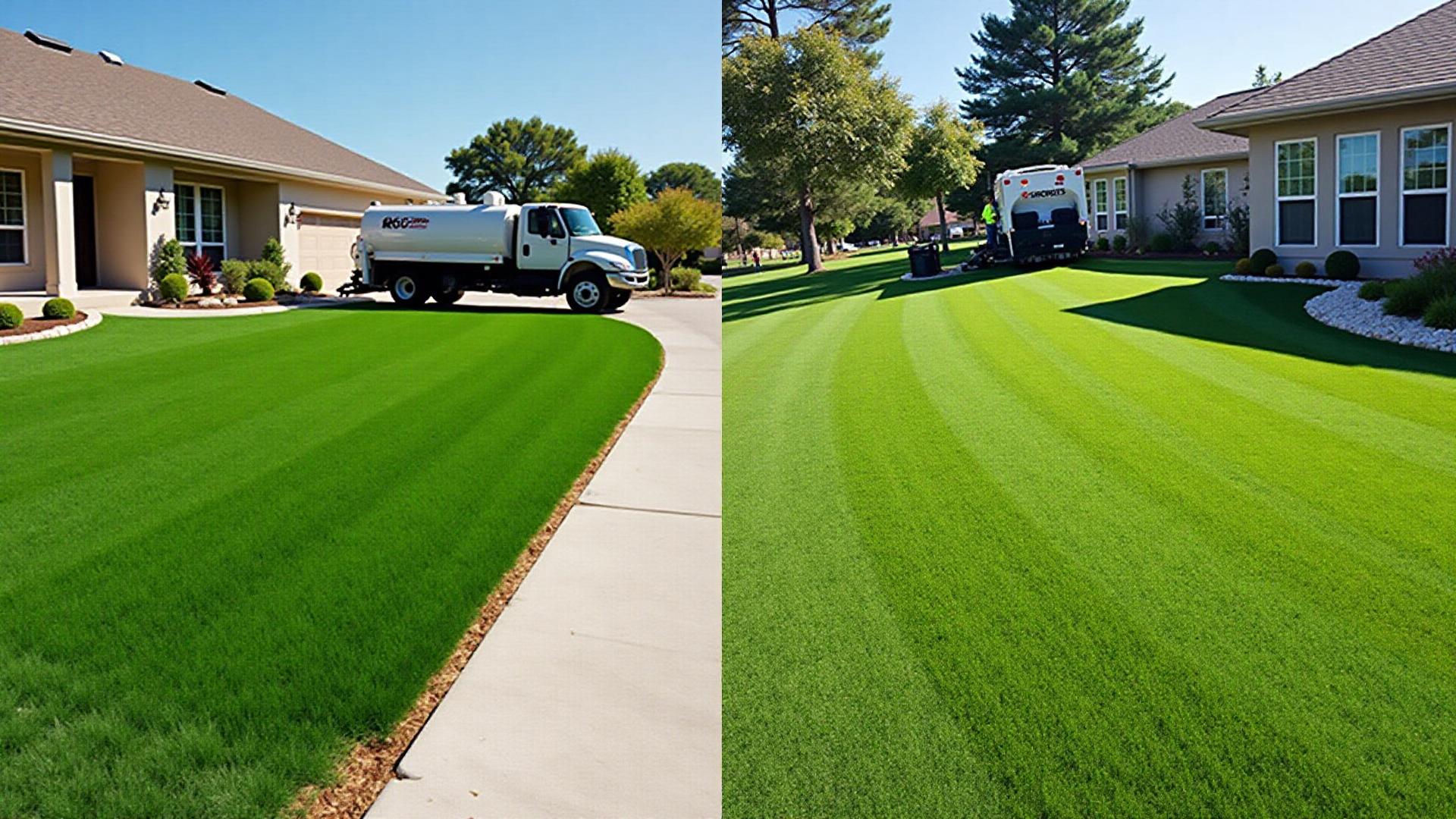
Hydroseeding applies a slurry mixture of grass seed, mulch, fertilizer, soil amendments, and water through pressurized equipment. The mixture bonds to the soil surface, creating an optimal microenvironment for germination. Seed germinates in place, developing root systems directly into the native soil without transplant stress. The mulch matrix retains moisture, moderates temperature, and prevents erosion during establishment.
Sod Installation Process
Sod consists of mature grass plants with attached soil, grown in specialized farms and harvested in rolls or slabs. Installation involves preparing the site, laying sod pieces edge-to-edge, and ensuring good soil contact. The grass is already mature but must develop new roots into the native soil beneath while maintaining the existing plant structure. This transplantation creates temporary stress that the grass must overcome for successful establishment.
Cost Comparison
Financial considerations heavily influence many installation decisions.
Material Costs
Hydroseeding material costs range from $0.08-$0.18 per square foot including seed, mulch, fertilizer, and tackifier. Premium seed blends and organic materials push toward the higher end. Sod material costs run $0.30-$0.60 per square foot for quality grass, with premium varieties and small quantities costing more.
Labor and Installation
Hydroseeding labor adds $0.07-$0.17 per square foot depending on site accessibility, preparation needs, and project size. Professional crews can cover large areas quickly. Sod installation labor is more intensive at $0.35-$0.65 per square foot due to the physical demands of hauling and precisely fitting heavy rolls. DIY installation reduces labor costs but requires significant physical effort and skill.
Site Preparation
Both methods require similar site preparation including grading, debris removal, and soil improvement, typically costing $0.10-$0.30 per square foot. However, sod demands finer seedbed preparation with more precise grading since surface imperfections show immediately, while hydroseeding can work with slightly rougher surfaces.
Total Investment Comparison
For a typical 5,000 square foot residential project:
Hydroseeding Total: $750-$1,750 ($0.15-$0.35/sq ft)
- Preparation: $500-$1,000
- Materials: $400-$900
- Labor: $350-$850
Sod Installation Total: $3,250-$6,250 ($0.65-$1.25/sq ft)
- Preparation: $500-$1,500
- Materials: $1,500-$3,000
- Labor: $1,750-$3,250
The difference of $2,500-$4,500 represents substantial savings with hydroseeding.
Establishment Timeline
Time to usable lawn varies significantly between methods.
Hydroseeding Timeline
Days 1-7: Mulch matrix visible on soil surface. First seed germination begins day 5-7.
Days 7-14: Visible grass emergence across most area. Light green tint appears. Continued moisture critical.
Days 14-28: Rapid grass growth. Coverage becomes substantial. Grass reaches 2-3 inches requiring first mowing planning.
Days 28-42: First mowing typically occurs. Dense coverage achieved. Lawn begins looking established.
Days 42-56: Full establishment with thick, mature appearance. Light traffic acceptable. Root systems reaching 4-6 inches deep.
Sod Installation Timeline
Day 1: Instant green lawn appearance. However, roots not yet established in native soil.
Days 1-14: Critical rooting period. Sod must be kept consistently moist. No traffic permitted. Grass may show transplant stress.
Days 14-28: Root development into native soil progresses. Sod begins bonding. Light traffic in some areas may be acceptable.
Days 28-42: Sod establishes fully with roots penetrating 3-4 inches into native soil. Normal use can resume.
While sod provides instant aesthetics, it requires similar establishment time as hydroseeding for functional use and true root integration.
Performance Characteristics
Long-term performance differs between establishment methods.
Root Development
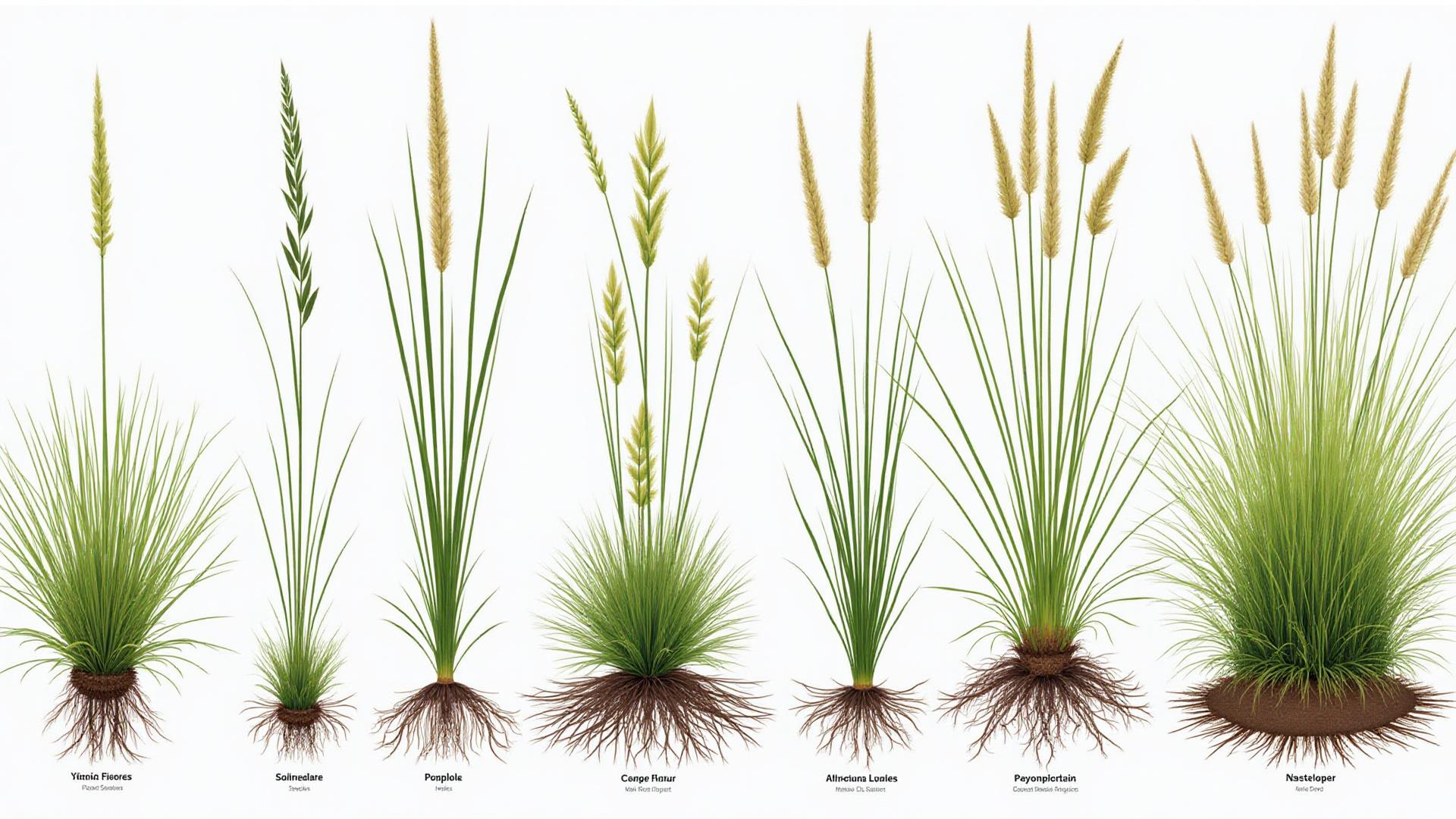
Hydroseeded grass develops roots directly into native soil from germination, creating deep, extensive root systems adapted specifically to site conditions. Roots commonly reach 6-8 inches depth within first season. Sod starts with roots confined to the transplanted soil layer, requiring time and energy to develop into native soil beneath. Initial root depth is limited to the 1-2 inch sod layer, gradually extending to 4-6 inches over first season.
Drought Tolerance
Compare establishment methods for the actual site, specification, full costs and care responsibilities; no universal best method or usable date is established. Grass with 8-inch root systems accesses moisture unavailable to shallower-rooted sod, maintaining green appearance during dry periods. Sod's initially limited root depth makes it more dependent on irrigation during establishment and sometimes permanently more drought-sensitive.
Wear Tolerance
Once both are fully established (8-12 weeks post-installation), wear tolerance is comparable and depends more on grass species than establishment method. However, during the first year, sod often tolerates traffic slightly better due to mature plant structure, while hydroseeded grass is still developing full density.
Cold Hardiness
Hydroseeded grass germinating and developing during Alberta's growing season fully acclimates to local conditions before facing winter stress. Sod grown elsewhere and installed mid-season may not fully harden off before winter, potentially showing more winter damage in the first year. By the second year, this difference typically disappears.
Customization and Variety
Ability to customize grass selection differs markedly.
Hydroseeding Flexibility
Hydroseeding allows unlimited customization of seed blends. Combine multiple species and cultivars precisely matching your site's sun/shade patterns, soil conditions, intended use, and maintenance willingness. Include specialty varieties for specific benefits like traffic tolerance, shade adaptation, or drought resistance. Blend ratios can even vary across different zones of a property in a single application.
Sod Limitations
Sod farms grow limited varieties that perform well commercially: establishing quickly, handling harvest/transport stress, and appealing to broad markets. Premium sod farms may offer 3-5 varieties, but selection is still constrained compared to hydroseeding's unlimited blending options. Finding sod matching specific variety preferences or site requirements may be impossible.
Environmental Considerations
Environmental impacts and sustainability differ between approaches.
Water Requirements
During establishment, both methods require significant water. Hydroseeding's mulch matrix retains moisture efficiently, potentially reducing total water needs by 20-30%. Sod's transplant stress and lack of established roots often require more intensive watering during initial weeks. Long-term, hydroseeded grass's deeper roots typically require less supplemental irrigation.
Erosion Control
Confirm designed immediate erosion and sediment controls separately; vegetation establishment does not guarantee immediate slope stability or replace required controls. Sod also controls erosion but can slip or fail on steep grades if not properly staked or protected during root establishment.
Resource Intensity
Sod production is resource-intensive, requiring farmland, water, fertilizer, pesticides, fuel for maintenance equipment, and transportation. Hydroseeding uses less overall resources, with seed production and transport having lower environmental footprint than growing, harvesting, and moving mature grass.
Aesthetic Considerations
Visual outcomes and integration vary between methods.
Immediate vs. Progressive
Sod provides instant gratification with mature green lawn appearance from day one. This psychological benefit matters for some property owners, particularly when selling a home or preparing for an event. Hydroseeding requires patience as coverage progressively develops over 4-8 weeks.
Uniformity and Seams
Well-installed sod can look perfect initially, though seams may be visible until roots knit together. Poor installation shows gaps, overlaps, and inconsistent appearance. Hydroseeding inherently provides seamless coverage without visible seams or gaps when properly applied.
Long-Term Appearance
After the first growing season, properly established hydroseeded and sodded lawns are visually indistinguishable. Long-term appearance depends on grass variety, maintenance practices, and site conditions rather than establishment method.
Challenges and Failure Risks
Each method faces specific risks worth understanding.
Hydroseeding Challenges
Weather disruption during germination can damage results. Unexpected heavy rain may wash seed before germination. Hot, dry weather requires diligent watering. Bird predation and wind can affect seed. However, these risks are manageable with proper planning and site monitoring.
Sod Challenges
Sod failure risks include poor root establishment due to inadequate watering, air pockets between sod and soil preventing root penetration, edges drying and dying back, disease spreading quickly through connected plant mass, and shock from temperature extremes shortly after installation.
Ideal Applications for Each Method
Certain situations favor one method over the other.
When to Choose Hydroseeding
- Budget-conscious projects where saving 40-70% matters
- Large areas where sod installation costs become prohibitive
- Properties with complex topography or multiple zones requiring different seed blends
- Slopes and erosion-prone areas where hydroseeding excels
- Projects where 6-8 week establishment timeline is acceptable
- Situations requiring deep-rooted, drought-tolerant grass
- New construction where timing allows establishment period
When to Choose Sod
- Immediate results required for events, home sales, or urgent needs
- Small areas where cost difference is minimal
- High-profile locations where instant appearance justifies premium cost
- Mid to late summer installation when hydroseeding success is uncertain
- Properties with extreme erosion risk requiring instant stabilization
- Areas with challenging conditions where establishing from seed is difficult
Maintenance Requirements
Post-establishment care differs slightly between methods.
First Year Maintenance
Hydroseeded lawns establish progressively, with maintenance increasing as grass matures. Mowing begins week 3-4, fertilization at week 6-8, and normal care by week 10-12. Sodded lawns require immediate maintenance at mature lawn standards, though avoiding stress is important during first 4-6 weeks. First-year fertilization needs are similar for both methods.
Long-Term Maintenance
After full establishment, maintenance requirements are identical, depending on grass species and owner expectations rather than establishment method. Mowing, fertilizing, aerating, and overseeding follow the same schedules.
Making Your Decision
Weighing factors helps determine the right choice for your situation.
Decision Framework
Choose Hydroseeding If:
- Budget is primary concern
- 6-8 weeks establishment time is acceptable
- Deep roots and drought tolerance are priorities
- Custom seed blend matters for site conditions
- Area is large making sod cost prohibitive
- Erosion control is significant concern
Choose Sod If:
- Instant results are essential
- Budget accommodates 3-4x higher cost
- Area is small making cost difference minimal
- Timeline doesn't allow establishment period
- High-profile area demands immediate appearance
- Mid-summer installation is necessary
Hybrid Approaches
Some properties benefit from combining methods: sod for highly visible front yards providing instant curb appeal, and hydroseeding for larger back yards and side areas where cost savings matter more than immediate results.
Conclusion
Both hydroseeding and sod installation successfully establish lawns across Alberta. The choice depends on your specific priorities, constraints, and circumstances. Hydroseeding delivers outstanding value, deep-rooted grass, customization, and excellent long-term performance at a fraction of sod's cost. Compare establishment methods for the actual site, specification, full costs and care responsibilities; no universal best method or usable date is established. Compare establishment methods for the actual site, specification, full costs and care responsibilities; no universal best method or usable date is established. However, situations demanding immediate results justify sod's higher investment. Understanding these differences empowers you to make the decision best aligned with your unique needs and goals.
❓ Frequently Asked Questions
Which is cheaper: hydroseeding or sod?
Historical illustration: the following source amounts are unverified historical examples, not current provider quotes. Hydroseeding costs $0.15-$0.35 per square foot for residential projects while sod installation runs $0.65-$1.25 per square foot including materials and labor. For a typical 5,000 sq ft lawn, hydroseeding costs $750-$1,750 compared to $3,250-$6,250 for sod – a savings of $2,500-$4,500.
How long does hydroseeding take to look like sod?
Hydroseeded lawns show germination in 7-10 days, provide visible coverage in 3-4 weeks, and achieve mature appearance in 6-8 weeks. Sod provides instant green coverage but requires 2-3 weeks for root establishment and 4-6 weeks to fully bond with native soil. By week 8, hydroseeded and sodded lawns appear comparable.
Which lasts longer: hydroseeded or sodded lawns?
Properly established hydroseeded lawns typically develop deeper root systems (6-8 inches vs. 3-4 inches for sod initially), resulting in superior drought tolerance and longevity. Hydroseeded grass adapted to site conditions from germination often outperforms transplanted sod long-term. However, both can provide decades of service with proper maintenance.
Can I walk on sod sooner than hydroseeded grass?
Sod tolerates light traffic within 2-3 weeks once roots establish, though heavy use should wait 4-6 weeks. Hydroseeded areas require 4-6 weeks before any traffic to avoid disturbing establishing plants. By week 8, both tolerate normal use equally well.