Start with the supply you actually understand
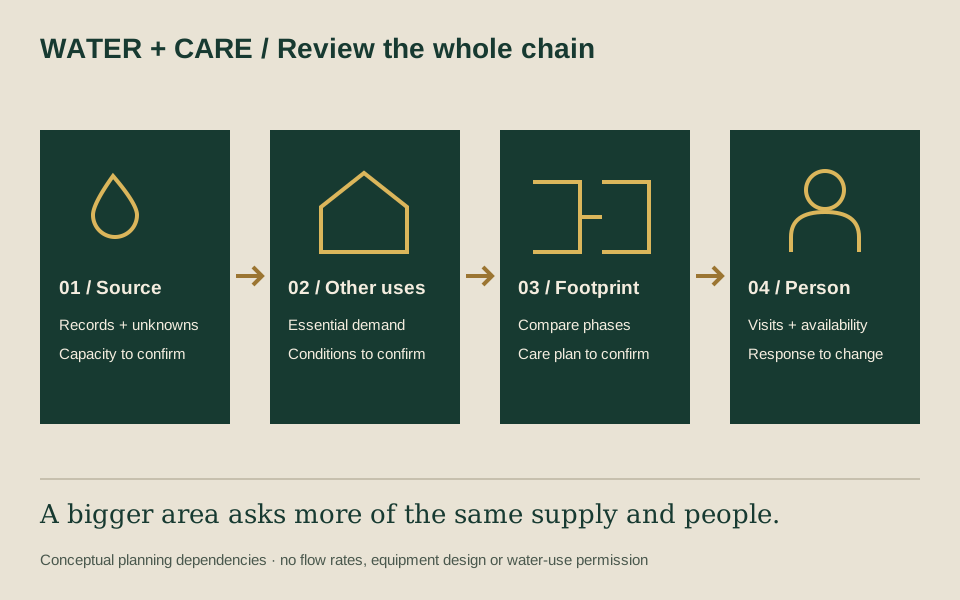
A large proposed lawn can make a small care problem much larger. Before selecting a footprint or application method, write down the water source, the information you have about it and the person responsible for its operation. A well, cistern or delivered supply brings different questions. A tap at the house is evidence of a connection, not proof of reliable capacity for every proposed landscape use.
Alberta's Working Well program explains that private well owners are responsible for managing and maintaining their wells. Its resource library includes information on water quantity, over-pumping, maintenance and well-owner responsibilities. Use those resources to prepare a qualified conversation about the supply. This planning worksheet does not assess a well or tell you how much water it can sustainably provide.
Separate capacity from a historical record
Gather the records already available to you: source details, relevant equipment information and observations of changes in performance. If a property has a well, the Alberta water wells web application can help locate recorded information. Keep the date and origin of each record visible. An older record should not silently become a current guarantee about quantity, quality or suitability.
List essential uses that must be considered alongside establishment care. Identify who can confirm the effect of additional demand and whether the proposed arrangement is permitted. Ask the water supplier or appropriate professional about any conditions that apply. Do not assume that private ownership removes water-use requirements, and do not treat a generic watering schedule as current permission for your location.
Build the care plan around a person
Record who can visit the site, what areas they can reach and what happens during an absence or equipment interruption. A written establishment plan should identify the agreed care tasks and the observations that trigger a review. Those details depend on the selected vegetation, site conditions and actual specification. The ability to buy materials does not create the time or water needed to look after them.
Make the first comparison about phasing. Describe a smaller area close to dependable access and compare it with the entire proposed footprint. For each option, list the unresolved supply questions, the effort required to observe the ground and the person who will make a decision if conditions change. These are planning alternatives, not calculated irrigation recommendations. Keep rates and timing for the confirmed site plan.
Attach the assumptions to the request
A useful brief says “this is the source we have, this is what we know and this remains to be confirmed”. Include a sketch of the areas, approximate dimensions and the intended future use. Note any care responsibilities that are not yet assigned. Ask the provider to explain what their proposal assumes about supply and establishment, rather than accepting an unexplained number of visits or an outcome guarantee.
The planning tools can organize area and user-entered criteria without selecting a water dose. When you send an acreage brief to HAUSE, keep the supply question beside the access and care questions. A manageable first phase is the one whose assumptions can be reviewed and whose responsibilities can be carried out.
Put the note to work
Record the relevant observations, documents and unanswered questions in your project brief.
Prepare your request ↗